


Pyschology, Therapy Professionals, Travel Therapy Insights
Psychologist vs Psychiatrist: Role Differences Every Healthcare Pro Should Know
24TH APRIL, 2026

19 December 2025 | Velina Velikova | 12 mins. reads

The healthcare landscape is evolving rapidly, and one profession, in particular, is experiencing a surge in demand: the Physical Therapist Assistant (PTA). If you are considering a career change or entering the medical field, the physical therapist assistant job growth outlook makes this an exceptionally attractive and stable path.
The US Bureau of Labor Statistics (BLS) projects that employment for physical therapist assistants and aides is expected to grow by 19% from 2023 to 2033, a rate considered much faster than the average for all occupations. This significant projected growth, driven by key demographic and medical trends, underscores the exceptional opportunity within this career field.
Physical Therapist Assistants (PTAs) are integral, licensed clinicians who work under the direction and supervision of a licensed Physical Therapist (PT) to provide patient care. They play a hands-on role in implementing the physical therapist’s patient care plan.
A PTA’s primary responsibility is to help patients regain movement, manage pain, and restore function following injuries, surgeries, or due to chronic conditions. Their daily work involves a variety of therapeutic interventions, including Therapeutic Exercise, where they guide patients through specific exercises to build strength, endurance, coordination, and balance.
They also use Manual Therapy techniques like massage and stretching to reduce pain, and apply Modality Applications such as heat, cold, or electrical stimulation to aid healing. A critical part of the role is Gait and Balance Training, teaching patients how to use assistive devices and transfer safely. Additionally, PTAs are vital in Patient Education, instructing families on home exercise programs, and meticulously documenting patient status and progress for the supervising Physical Therapist.
The work of a PTA is rewarding, as they often have a profound, direct impact on a patient’s quality of life, helping them achieve movement goals, regain independence, and return to active lives.
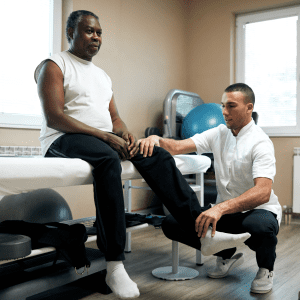
Physical Therapist Assistants enjoy a high degree of flexibility in their work settings, which contributes to the stability and diversity of physical therapist assistant job growth. PTAs are needed across the healthcare continuum, including Outpatient Clinics for orthopedic recovery, Hospitals (Acute Care) for early post-surgical mobilization, Skilled Nursing and Long-Term Care Facilities for ongoing rehabilitation, specialized Rehabilitation Centers for intensive recovery programs, and Home Health Agencies where they provide care directly in patients’ homes. They also find roles in Schools and Sports/Fitness Facilities.
One of the most exciting avenues within this profession is travel therapy. Travel PTAs are temporary contracted professionals who take assignments, typically 8 to 26 weeks long, in facilities across the country that have staffing shortages.
The benefits of Travel PTA Jobs include flexibility and exploration, allowing PTAs to choose assignments in different geographical locations to travel and gain diverse clinical experience. This also enhances the resume by broadening their skill set across varied settings, and provides excellent networking opportunities.
The compensation for Travel PTAs is often higher overall due to the unique pay structure, which maximizes take-home pay. A standard traveler package includes a Taxable Hourly Wage, a Tax-Free Housing Stipend, and a Tax-Free Meals and Incidentals (Per Diem) Stipend.
By receiving a large portion of their income through non-taxable stipends, travel PTAs can realize significantly higher net earnings, making it an excellent financial strategy. Agencies typically provide essential benefits like health insurance and 401(k) plans.
The remarkable physical therapist assistant job growth is not accidental; it is driven by several powerful, long-term trends in the United States healthcare system.
The largest factor is an aging population. As the baby-boomer generation ages, there is a greater incidence of chronic conditions like arthritis and cardiovascular disease, which require physical therapy for management and rehabilitation. This population segment also actively seeks interventions to maintain mobility and independence.
In addition, the increased prevalence of chronic conditions across all age groups leads to more musculoskeletal issues and the need for physical therapy services. There is also a growing emphasis on non-invasive treatment, with patients and physicians preferring physical therapy as a conservative, effective method to manage pain and recover from injuries, rather than relying on surgery or medication alone.
Technological advancements in medicine mean more people are surviving severe medical events and complex surgeries, requiring extensive post-acute rehabilitation. Finally, the cost-effectiveness of PTAs, who are highly skilled and licensed to deliver safe, quality care under supervision, allows practices to efficiently manage increased patient volumes.
A successful career as a physical therapist assistant requires a blend of clinical knowledge, physical capability, and strong interpersonal skills.
Interpersonal and Communication skills are vital, including empathy, patience, and active listening, as PTAs must provide encouragement and clearly explain complex treatments to patients who are often in pain. Strong clinical and technical skills are necessary, encompassing a deep knowledge of anatomy and physiology, proper use of therapeutic modalities, and manual therapy techniques.
PTAs must possess Critical Thinking and Observation skills to constantly monitor patients for changes, adapt exercises as needed, and ensure proper form to prevent setbacks. Physically, the job requires Stamina and Strength, as PTAs are often on their feet and assist patients with lifting or transfers. Lastly, organizational skills are key for accurate documentation, time management, and coordinating care with the rest of the team.

The path to becoming a licensed physical therapist assistant is structured and rigorous. The mandatory entry-level requirement in all states is an Associate of Applied Science (A.A.S.) degree from a program accredited by the Commission on Accreditation in Physical Therapy Education (CAPTE).
These PTA programs typically last about two years, covering a comprehensive curriculum including anatomy, kinesiology, and clinical pathology. A significant portion of the program is dedicated to hands-on, supervised clinical education experiences in various healthcare settings.
Following graduation, all states require Licensure/Certification, which involves passing the National Physical Therapy Exam for Physical Therapist Assistants (NPTAE) and often a state-specific jurisprudence exam. PTAs must also participate in ongoing continuing Education to maintain their license.
The outlook for the physical therapist assistant profession remains exceptionally positive. With a projected physical therapist assistant job growth of 19% over the next decade, this career is consistently ranked as one of the fastest-growing and most stable healthcare support roles.
This high demand is sustained not just by growth, but by the need to replace an estimated 27,500 annual openings resulting from workers transferring or retiring. The consistent need for rehabilitation services driven by an aging population and increased emphasis on restorative care cements the PTA’s role as an indispensable member of the healthcare team.
For individuals seeking a meaningful, patient-focused career with high employment security and strong opportunities for growth and diverse work, pursuing a path as a physical therapist assistant represents an investment in a thriving future.

Pyschology, Therapy Professionals, Travel Therapy Insights
Psychologist vs Psychiatrist: Role Differences Every Healthcare Pro Should Know
24TH APRIL, 2026

Physical Therapy, Therapy Professionals, Travel Therapy Insights
Pediatric Physical Therapist Assistant Salary: Pay and Travel Contracts
19TH AUGUST, 2026

Speech-Language Therapy, Therapy Professionals, Travel Therapy Insights
Top Speech Language Pathologist Programs for Aspiring Professionals
9TH MAY, 2026

Physical Therapy, Therapy Professionals, Travel Therapy Insights
Physical Therapist vs Physician Assistant: Which Career Fits?
2ND SEPTEMBER, 2026