


Speech-Language Therapy, Therapy Professionals, Travel Therapy Insights
Steps to Becoming a Successful Speech Language Pathologist
8TH MAY, 2026
 and other school professionals to help facilities meet these specific student needs.## Understand Why State Rules MatterState regulations can change your career path in small but significant ways. One state might require a specific GPA, while another asks for extra coursework in health education. Some states issue a comprehensive K through 12 PE license; on the other hand, some combine health and physical education into one credential. Because of these variations, you should check your state department of education early in the process. Doing this before you select a program or transfer credits can prevent a long detour. As a healthcare staffing agency, Pioneer helps clinicians and educators navigate these professional requirements when they [Find Travel Jobs](https://pioneer-healthcare.com/browse-jobs/) in different regions.## Teacher Preparation And Student Teaching Give You Real Classroom ExperienceAcademic degrees provide a foundation, but real confidence begins during teacher preparation and student teaching. These programs move you from theory to the daily reality of school life. You learn how to lead warm-ups, teach skill progressions, and adjust activities for different ability levels while keeping students safe.At Pioneer, school placements are a core part of our mission. Since we specialize in staffing [Adapted Physical Education Teachers](https://pioneer-healthcare.com/browse-jobs/?profession=adapted-physical-education-teacher&sort=recent) and other clinicians, we know that early-career professionals grow faster in settings with steady support and mentor input. ## What Teacher Preparation Programs Usually IncludeMost teacher preparation programs cover lesson planning, behavior support, and school law. They also demonstrate how to build active and safe classes. In a PE setting, this means more than just setting up equipment. You must teach movement patterns and assess student progress. For instance, a quality program shows you how to modify games or pacing so more students can take part.Fieldwork often starts before you begin full-time student teaching. You might spend time observing classes, helping with small groups, or co-teaching short lessons. These early hours help you learn the flow of a gymnasium or an athletic field.## Why Student Teaching Matters So MuchStudent teaching is the phase where the career becomes tangible. You teach under the supervision of a licensed educator to learn how a full school day feels. This experience allows you to sharpen basic skills like class control, grading, and communication with families.Furthermore, you learn how to teach students with different interest levels and those who require adapted activities. This preparation makes a first job feel less overwhelming. It also helps you decide if you prefer working with elementary, middle, or high school students.## Certification And Licensing Are The Final Steps Before You Can TeachOnce you finish your degree and student teaching, you still need state approval to lead your own classes. This final step is typically a teaching license or certificate with a physical education endorsement. Most states require proof of your degree, completed student teaching, background checks, and passing exam scores.## The Tests And Documents You May NeedMany states require a basic skills teaching exam and a PE content test. You will also need to submit official transcripts and proof that you finished an approved preparation program. In many locations, you must complete fingerprinting and a criminal background check. Some districts also ask for CPR or first-aid certification before you start.If you later decide to take a school-based role through a staffing partner, there may be additional onboarding steps. These often include health records and online documentation to ensure a smooth start date. If you are comparing different career paths, you can [Find Travel Jobs](https://pioneer-healthcare.com/browse-jobs/) to see how your skills translate to various locations.## How To Stay Licensed Over TimeGetting your initial license is just the beginning. Most states require continuing education to keep your credentials active. You might need to complete renewal hours, district training, or graduate coursework every few years. Some teachers also choose to add certifications in health or coaching. Pursuing a specialized role as an [Adapted Physical Education Teacher](https://pioneer-healthcare.com/browse-jobs/?profession=adapted-physical-education-teacher&sort=recent) can also broaden your career options. Planning ahead by keeping copies of your transcripts and exam scores in one place will make the renewal process much easier.Becoming a physical education teacher requires a bachelor degree, a teacher preparation program, and a state license. By following these steps, you can build a stable and active career in a school setting. Pioneer supports teachers and clinicians throughout this journey by offering a dedicated team and clinical mentorship for those in [travel therapy](https://pioneer-healthcare.com/browse-jobs/?profession=adapted-physical-education-teacher&sort=recent) and school-based roles.](https://pioneer-healthcare.com/wp-content/uploads/2026/07/Blog-1.2.webp)
9 July 2026 | Velina Velikova | 16 mins. reads
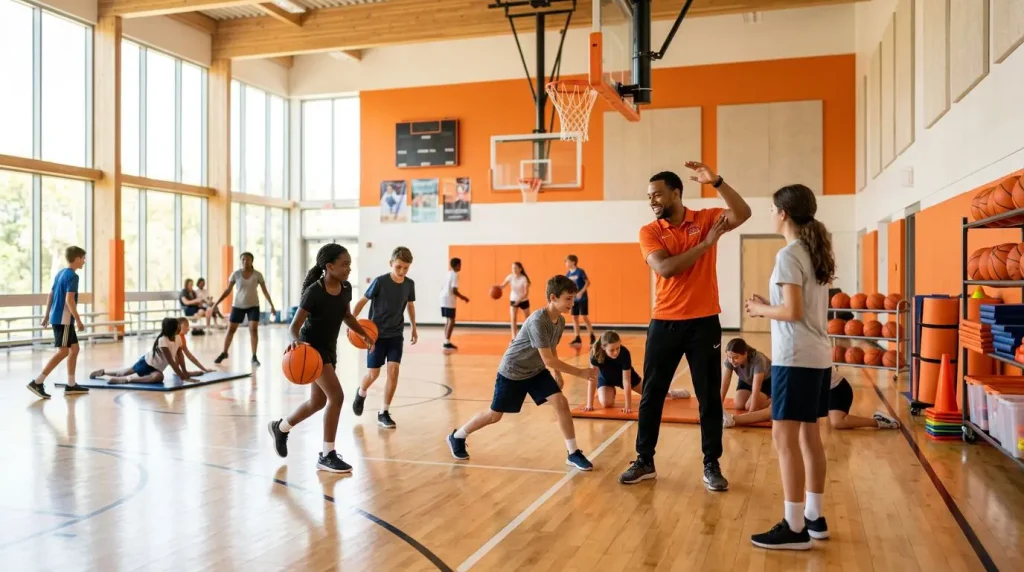
If you are passionate about teaching movement, teamwork, and healthy habits for a living, you may be wondering how to become a physical education teacher. The path is usually straightforward; you must earn the right degree, gain training in schools, and meet your state’s licensing rules.
The requirements can change from one state to another. Still, the core steps for a physical education teacher stay much the same, and knowing them early can save you time, money, and stress.
Most aspiring physical education teachers begin their journey by earning a bachelor’s degree. In many states, this is the fundamental education requirement needed to qualify for an entry-level teaching license. Common majors that provide a strong academic foundation include physical education, kinesiology, and exercise science.
Some colleges offer a specific PE track within an education program, while others focus on movement science before layering in formal teacher training. Both paths are viable as long as the curriculum meets the requirements for licensure in your state. If you want a quick snapshot of common paths, this guide to PE teaching degrees provides a helpful overview.
While you might pursue a master’s degree later to satisfy district salary incentives or state requirements for a permanent license, it is rarely the initial step.
The most effective degree program does more than teach athletic skills; it prepares you to lead a classroom, design lessons, and promote physical fitness and a healthy lifestyle among students.
Look for a curriculum that includes courses in anatomy and physiology, motor development, exercise physiology, pedagogy, nutrition, and curriculum development. You should also gain experience in classroom management, child development, adapted instruction, and school safety. These classes are vital because physical education is more than just recess with a whistle. It is structured instruction where students require clear goals, consistent feedback, and professional support.
If you already have experience in healthcare, rehabilitation, or youth coaching, that background can be an asset. However, schools prioritize formal teacher preparation over subject knowledge alone.
State regulations can influence your path in important ways. One state may require a specific GPA, while another might mandate additional coursework in health education. Some states issue a K through 12 PE license, whereas others combine health and physical education into a single certification.
Because requirements vary, you should check with your state education department early. Do this before you select a program or attempt to transfer credits from a previous bachelor’s degree. A little research now can prevent a long detour later.
A degree gives you the academic base, but real confidence usually starts during your hands-on training. Every quality teacher preparation program moves you from theory to the reality of daily school life. Through these programs, you learn how to lead warm-ups, teach complex movement patterns, keep students safe, and adjust activities for different ability levels.
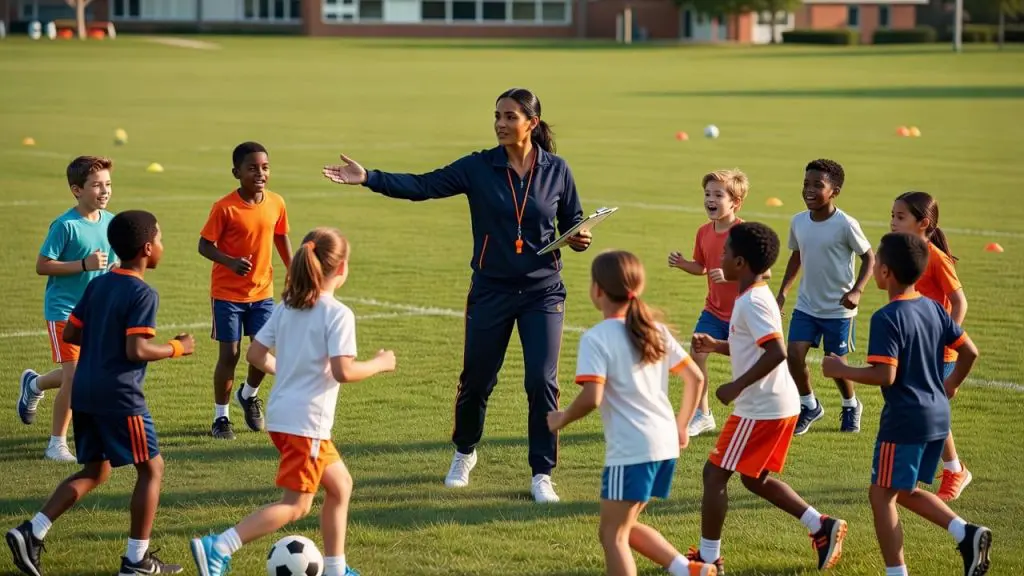
At Pioneer, school placements are a major part of the work. We are a healthcare and education staffing agency, and we staff clinicians, school professionals, and Adapted Physical Education Teacher roles. That school-based focus matters because early-career professionals often grow faster in settings with steady support, mentor input, and close teamwork with staff and families.
A comprehensive teacher preparation program covers classroom management, behavior support, student growth, and school law. These courses provide the structure needed to create effective lesson plans that help you build classes that are both active and safe.
In physical education, that means more than just setting up cones and keeping score. You need to teach fundamental motor skills, assess progress, and increase physical activity levels for every student. A strong program will show you how to adapt games, equipment, and pacing so that students with diverse needs can fully take part.
Fieldwork often starts before full classroom immersion. You may observe classes, assist with small groups, or co-teach short lessons. Those early hours help you learn the unique pace of a gym, sports field, or multipurpose room.
Student teaching is the phase where the career truly becomes real. During student teaching, you work under a licensed educator and experience exactly what a full school day feels like.
This is where many future physical education teachers sharpen the fundamentals. You practice group control, transitions, grading, and vital communication skills when working with families and staff. You also learn how to engage students who love sports, students who are hesitant, and students who require specialized or adapted activities.
That experience makes your first professional role much less overwhelming. It also helps you decide what age group fits your teaching style best, whether that is elementary, middle, or high school.
After college and student teaching, you still need state approval before you can lead your own classes. Obtaining your teaching license is the final hurdle that formally authorizes you to work as an educator in public schools.
Many states require a basic teaching exam, a PE content test, or both. Some use Praxis exams, while others have their own unique state tests.
If you later take a school-based role through a staffing partner, there may be added onboarding steps. Those can include updated background checks, health records, and online documents before your start date.
You will also need official transcripts, an application, and proof that you completed an approved prep program. In many places, you must complete fingerprinting and a criminal background check. Some districts may also ask for CPR or first-aid certification, especially if coaching duties are part of the job.
Getting licensed is only the start. Many states require professional development to keep that license active.
You may need renewal hours, district training, or graduate coursework after a few years. Some teachers also add certifications in health, coaching, or adapted PE. That can open more job options and strengthen your long-term career.
Planning ahead helps here, too. Keep copies of transcripts, exam scores, and renewal records in one place.
What kind of degree is required to be a PE teacher?
Most states require a bachelor’s degree from an accredited institution. Common majors include physical education, kinesiology, or exercise science, often paired with a teacher preparation program to meet licensure standards.
Is student teaching mandatory for certification?
Yes, student teaching is a standard requirement for almost all state teaching certifications. It allows you to gain supervised classroom experience and bridge the gap between academic theory and the daily realities of school life.
Do I need to take specific exams to get my license?
Most states require you to pass state-specific exams or the Praxis series, which typically cover general teaching pedagogy and subject-specific content knowledge. Always verify the exact testing requirements with your state’s Department of Education before scheduling your exams.
Can I teach PE if my degree is in a different subject?
While a bachelor’s degree in a related field is the most direct path, some states offer alternative certification routes for those who already hold a degree in another subject. You will likely need to complete specific education coursework and pass required licensing exams to qualify.
Becoming a physical education teacher requires careful planning, but the journey toward the classroom is entirely manageable. By earning your bachelor degree, completing a teacher preparation program, engaging in student teaching, and securing your state license, you prepare yourself to inspire students from elementary school through high school. Ultimately, the goal of this profession is to instill a healthy lifestyle in the next generation, providing them with the tools they need to stay active for years to come.
For readers exploring school-based work, this path aligns well with various education and healthcare careers. Pioneer supports professionals across many school settings, including adapted PE placements when available, and you can Find Travel Jobs if you are also comparing flexible roles in education and allied health.
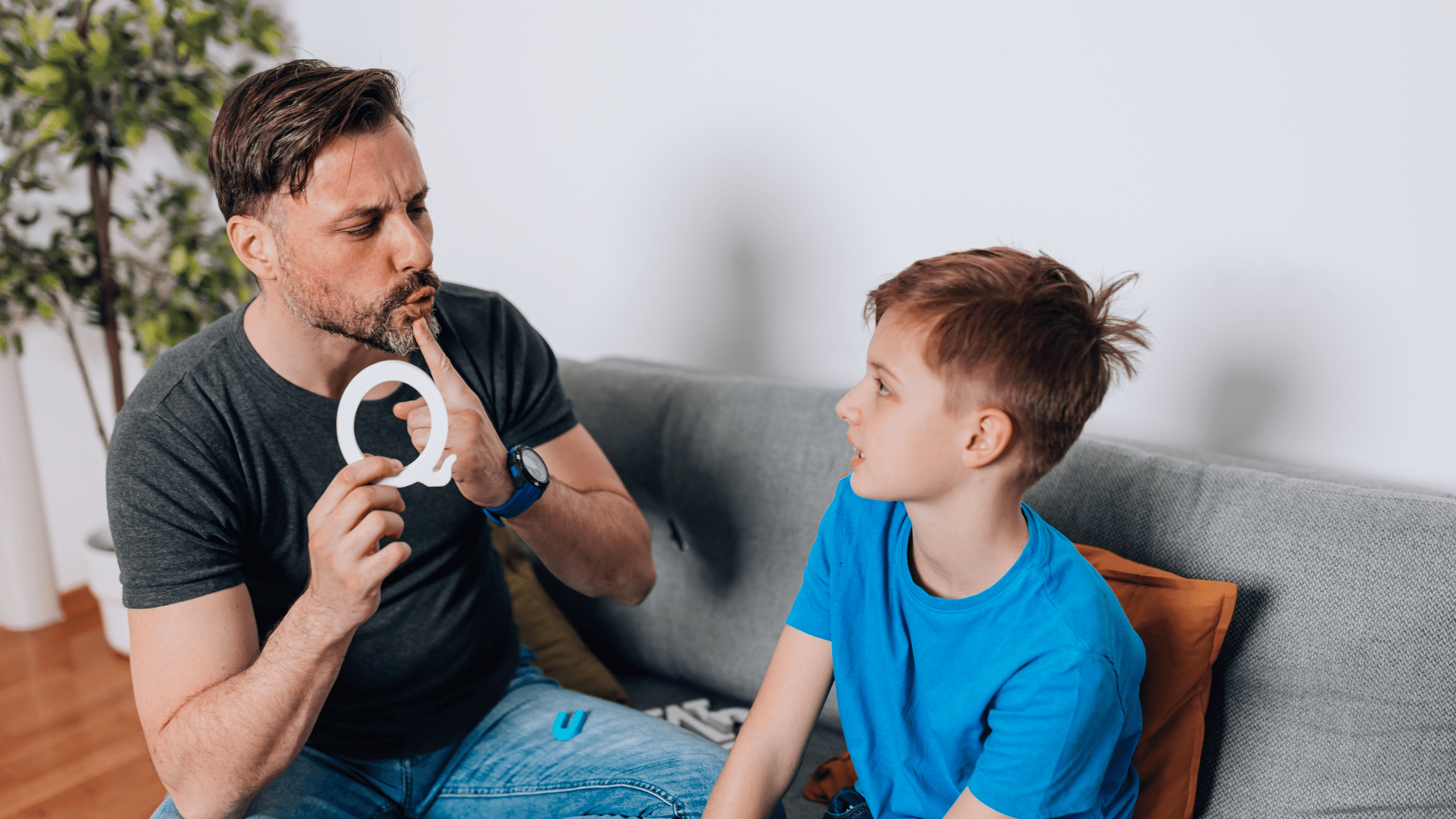
Speech-Language Therapy, Therapy Professionals, Travel Therapy Insights
Steps to Becoming a Successful Speech Language Pathologist
8TH MAY, 2026
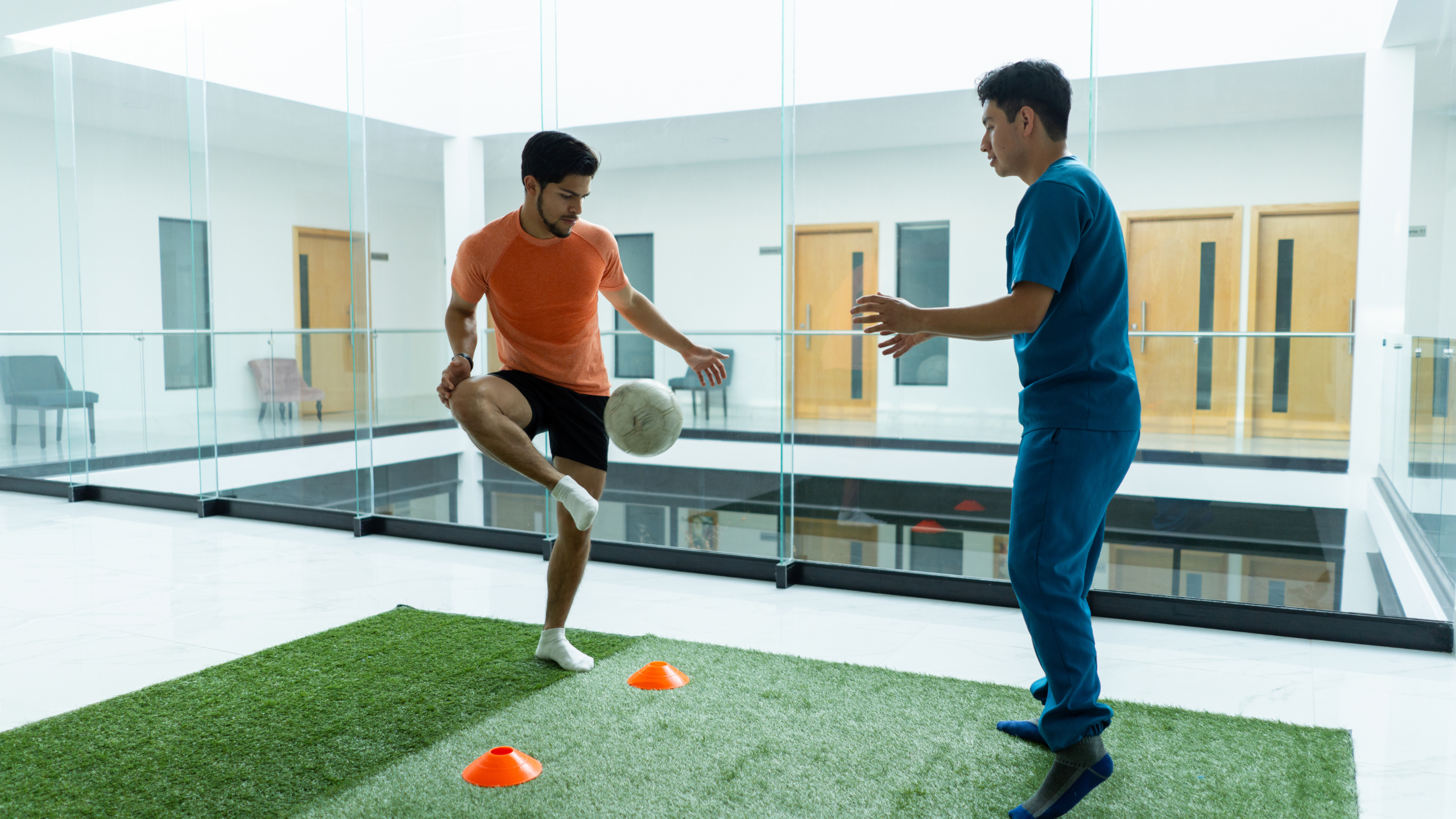
Physical Therapy, Therapy Professionals, Travel Therapy Insights
Sports Medicine Physical Therapist Salary Trends Worth Knowing
9TH APRIL, 2026

Therapy Professionals
Exploring the Future: Speech Language Pathologist Job Outlook
6TH FEBRUARY, 2026
Travel Therapy Insights
Travel Therapy Assistant Jobs: 2026 Guide for PTAs, COTAs, and Emerging Roles
23RD JANUARY, 2026