


Therapy Professionals
Physio vs Physical Therapist: Understanding the Key Differences
5TH MARCH, 2026
9 April 2026 | Carvin Roa | 13 mins. reads
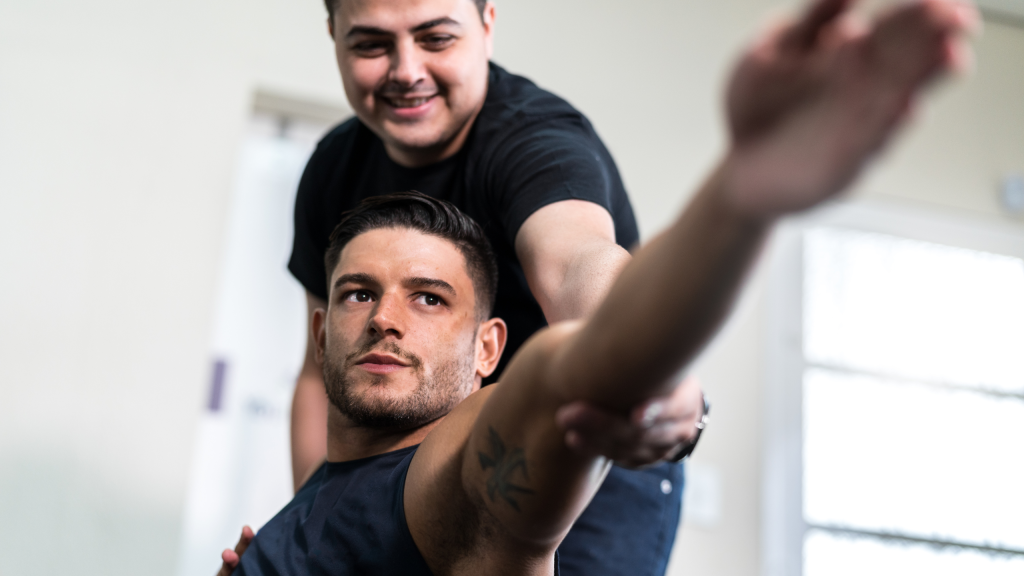
Sports physical therapist salary data tells a clear story: this is a well-compensated specialty with strong demand and real room for growth. The combination of specialized skills, high-profile settings, and relatively limited supply of experienced sports PTs keeps pay competitive.
If you’re considering a move into sports physical therapy, or you’re already in the field and want to know how much does a sports physical therapist make compared to industry benchmarks, this guide covers the key numbers and the factors that shape them.
At Pioneer Healthcare Services, we work with physical therapists across many specialties and help professionals land their dream job. Here’s what the data says, and what our experience working with PTs tells us about building a career in sports physical therapy.
The average sports physical therapist salary in the United States falls between $82,000 and $95,000 per year, based on current Bureau of Labor Statistics data and specialty compensation surveys.
When people ask how much does a sports physical therapist make, the honest answer is: it depends on credentials, setting, and location. But across the board, sports-focused PTs earn more than their generalist counterparts, particularly once they’ve accumulated a few years of experience and relevant certifications.
Entry-level sports PTs often start in the $62,000 to $78,000 range, while experienced clinicians in high-demand settings routinely earn above $100,000. The range is wide, but the ceiling is high.
Understanding what drives sports physical therapist salary variation helps you position yourself strategically. The biggest factors are:
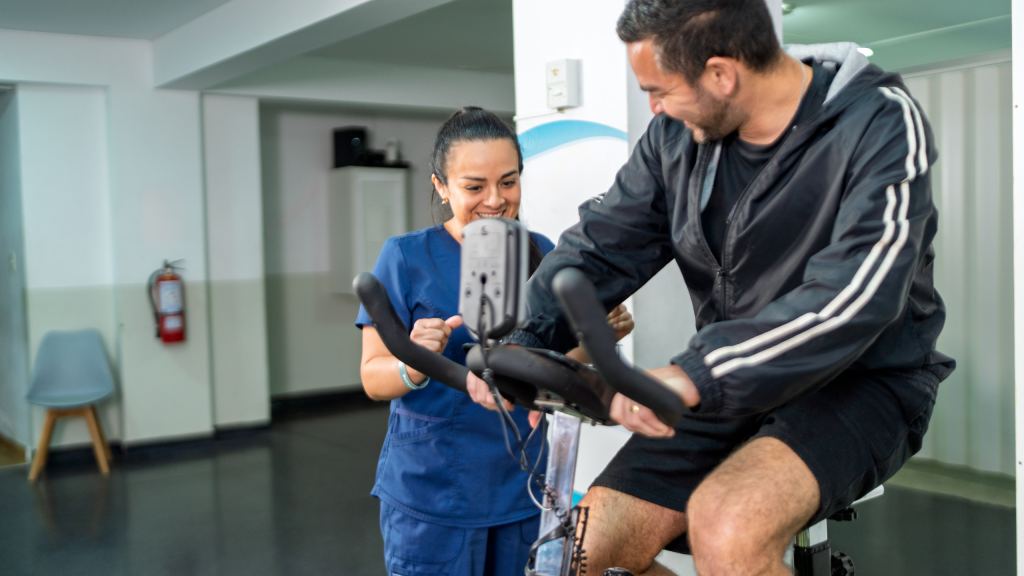
Geography has a substantial impact on sports physical therapist salary. Here’s a market-by-market snapshot:
| Region | Average Salary Range | Market Drivers & Considerations |
| California | $95,000 – $115,000 | High density of professional teams, major universities, and specialized performance labs. |
| New York | $90,000 – $110,000 | Significant access to pro sports in the metro area; high pay helps offset a high cost of living. |
| Texas | $82,000 – $100,000 | Rapidly growing ecosystem; no state income tax increases the effective take-home value. |
| Florida | $76,000 – $96,000 | Driven by pro sports, a heavy “active lifestyle” culture, and a large retiree population. |
| Southeast | $72,000 – $90,000 | Centered near major college programs; lower cost of living makes these salaries highly competitive. |
| Midwest / Rural | $65,000 – $83,000 | Fewer pro teams, but often includes perks like housing assistance or student loan repayment. |
Worth noting: a $75,000 salary in a mid-size Midwest city can go further than $90,000 in a coastal metro once housing costs are factored in. Total compensation matters as much as the headline number.
The career trajectory in sports physical therapy is well-defined and rewarding.
Here’s how most PTs progress:
Years one through three tend to focus on building clinical fundamentals, accumulating sports-specific hours, and identifying which area of sports PT resonates most. Working in outpatient sports clinics or university training rooms during this phase is ideal.
Years three through seven are typically when clinicians pursue the SCS or other specialty credentials. This is also when many sports PTs build relationships with local athletic programs, club sports organizations, or recreational leagues, which opens doors to team coverage roles.
Beyond seven years, experienced sports PTs often move into leadership roles, clinical director positions, practice ownership, or direct employment with professional teams or high-profile performance facilities. At this level, compensation frequently exceeds $100,000.
Professional development in strength and conditioning, sports nutrition awareness, return-to-sport protocols, and sports psychology principles all add value at every stage of this trajectory.
The top end of sports physical therapist salary is genuinely high. Head PTs with NFL, NBA, MLB, and MLS teams can earn $120,000 to $150,000 or more. These are competitive positions with high performance expectations, but the compensation reflects that.
Private practice owners specializing in sports rehab also have strong earning potential. With a well-run practice and a reliable referral network from local athletic programs, annual earnings above $130,000 are achievable, though actual take-home depends on overhead management.
Military performance programs, Olympic training centers, and sports science institutes represent additional high-end settings where sports PTs earn competitive salaries with the added benefit of working on cutting-edge programs.
For most clinicians, the realistic ceiling without owning a practice or landing a professional team role is around $110,000 to $120,000. That’s still a strong outcome, and the path there is achievable with the right credentials and clinical focus.
Travel physical therapy is one of the fastest ways to improve your sports physical therapist salary while building a varied clinical resume. Travel PTs in sports medicine and orthopedic settings typically earn between $1,800 and $2,500 per week, which adds up to $93,000 to $130,000 annualized, before accounting for housing stipends.
Travel assignments in university athletic departments, sports rehabilitation facilities, and high-volume outpatient sports clinics allow you to accumulate hours in diverse environments, expand your clinical skill set, and build your SCS eligibility faster than staying in one setting.
At Pioneer Healthcare Services, we connect physical therapists with travel contracts across the country. Whether you’re a newer grad building toward the SCS or an experienced clinician who wants more flexibility and higher short-term pay, travel sports PT is a path worth considering. Our team works with you to match assignments to your specialty focus, preferred geography, and career goals.
Knowing the market is the first step to negotiating effectively. Here are a few things that work in your favor:
At Pioneer Healthcare Services, we give physical therapists honest, current information about what their credentials are worth in the markets where they want to work. We want you to go into any negotiation with a clear picture of the range and a realistic sense of what to ask for. If you’re ready to take the next step in your sports PT career, we’re ready to help you find it.

Therapy Professionals
Physio vs Physical Therapist: Understanding the Key Differences
5TH MARCH, 2026

Therapy Professionals
Therapist vs Psychologist Salary: What You Need to Know Before Choosing
24TH FEBRUARY, 2026

Therapy Professionals
Exploring the Future: Speech Language Pathologist Job Outlook
6TH FEBRUARY, 2026

Therapy Professionals
Physical Therapist Salary Trends: What to Expect in Your Career
9TH JANUARY, 2026