


Culture & Community
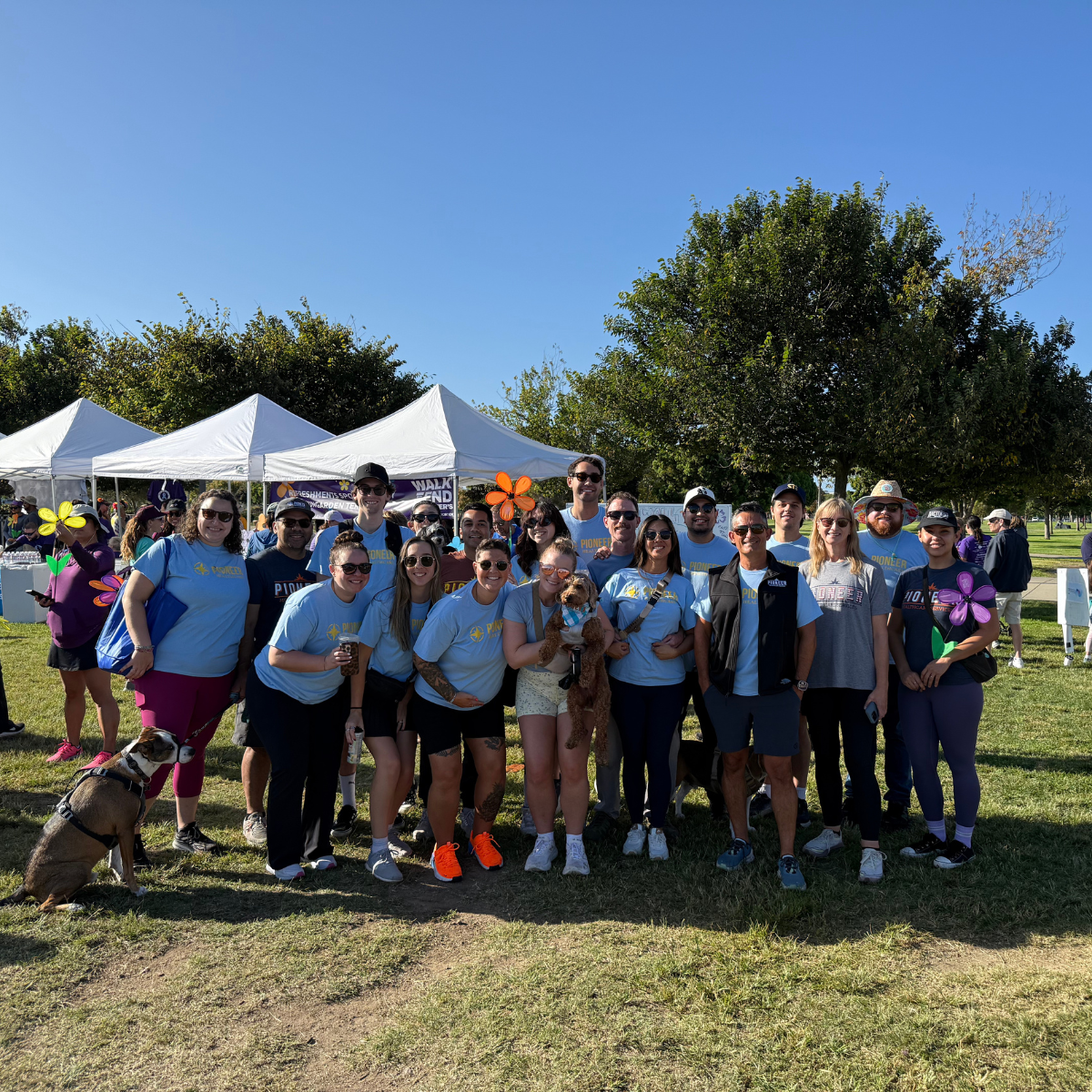
Walk to End Alzheimer’s – San Diego Recap
10TH OCTOBER, 2025

18 August 2026 | Solena Barrera | 22 mins. reads
Strong staffing results start with a prepared, supported internal team. As Pioneer Healthcare’s Director of Learning and Development, I see how recruiters, client solutions, operations, compliance, payroll, and support staff shape every experience before a clinician begins an assignment.
This investment in our people helps us build trust through clear answers, honest communication, and dependable follow-through. We also invest in clinician mentorship because people do their best work with guidance, connection, and a partner who understands.
Employee training and development build knowledge, confidence, and sound judgment. They also support stronger employee performance in each role. A strong company culture shapes how people use that knowledge when a question is urgent, a timeline shifts, or a colleague needs help.
At Pioneer, recruiters and operations professionals discuss roles, pay packages, compliance requirements, start dates, and career goals every day. Over the past year, we’ve strengthened our training programs and culture so our teams have the knowledge, support, and shared standards to serve clinicians and clients well.
Our first core value, Purpose Driven Care, connects every internal role to the people we serve. Recruiters, operations professionals, compliance staff, payroll teams, and client service employees each influence a candidate’s experience and a client’s confidence in Pioneer. Their work also affects the students and patients who depend on the clinicians we place.
Keeping this value visible helps employees connect daily decisions to a larger responsibility. An accurate answer, timely follow-up, careful compliance review, or supportive conversation can shape whether a candidate feels prepared, whether a client receives dependable coverage, and whether a student or patient receives care from the right professional. Purpose Driven Care gives our teams a clear reason to stay accountable, thoughtful, and committed in every interaction.
Those conversations require accuracy, empathy, and consistency. A people-first approach keeps each placement focused on a long-term relationship, rather than a quick transaction.

Effective workforce training helps internal teams provide clinicians with faster answers and clearer guidance. Healthcare systems and school districts also receive more reliable staffing support, fewer avoidable misunderstandings, and stronger communication throughout the process.
Onboarding should explain more than software and policies. Practical training programs show team members how their work affects a travel nurse preparing for a new city, an SLP considering a school-year role, or a client waiting to fill an important opening.
Recruiters need soft skills training that strengthens listening, empathy, and useful questions. They must understand each clinician’s priorities, including setting, location, schedule, and work-life balance. Operations teams need clear handoffs. Compliance staff need accurate documentation habits and timely communication. Compliance training supports dependable clinician guidance by helping teams manage details consistently.
Payroll and client service teams also need to understand the details behind each question they receive. Learning continues after the first week. Practical refreshers, peer support, coaching, and feedback help employees handle real situations with more confidence.
A healthy workplace culture shows up in ordinary moments. It is a colleague answering a call when someone is away. It is a recruiter sharing useful context before a handoff. It is a new hire feeling comfortable asking for help.
Our core value of Community shapes how we support one another at Pioneer. Team members share knowledge, celebrate each other’s contributions, and step in when support is needed. This connection helps employees feel supported in their work and strengthens collaboration across recruiting, operations, compliance, payroll, and client service.
We are also Built on Relationships. Trust grows through everyday conversations, thoughtful follow-up, and dependable support. We build relationships with colleagues, clinicians, and clients by listening carefully, communicating honestly, and staying connected throughout the staffing process.
At Pioneer, teamwork includes huddles, companywide recognition, internal growth opportunities, and space for colleagues to share what they know. These practices support a learning culture built on knowledge-sharing and psychological safety. We put families and well-being first because responsive support depends on people who feel respected at work.
Our core values guide how we work with one another and how we support clinicians and clients. We believe people do their best work when they feel respected, heard, and supported by their team. That includes making space for questions, recognizing individual needs, and encouraging a healthy work-life balance.
We also value the sense of community that grows through everyday collaboration. Team members share knowledge, celebrate each other’s contributions, and step in when support is needed. This culture helps employees feel connected to their work and to the people around them, which strengthens recruiting, operations, compliance, and client service.
Culture becomes credible when employees can ask questions, raise concerns, and receive a thoughtful response.
At Pioneer, our employee training and development strategy supports a broader talent management strategy. Each person has different professional development needs. A new recruiter needs a dependable foundation, while an experienced operations professional may be ready for leadership development or another function.
Training teaches the role, workflow, and service standards. Mentorship programs add perspective, encouragement, and advice from someone with relevant experience. Together, they support continuous learning and help identify skill gaps between roles or experience levels.
Both are important for recruiters, compliance specialists, payroll professionals, operations staff, and client service teams. Pioneer also provides mentorship support for clinicians. That commitment reflects our belief that people perform better with trusted guidance and clear expectations.
Purpose Driven Care also guides how we invest in our employees. When team members have the training, support, and resources to do their jobs well, they can provide better guidance to clinicians and more dependable service to clients. Each thoughtful conversation, accurate detail, and timely follow-up connects our internal work to the students and patients who rely on the professionals we place.
Structured onboarding programs should introduce each role’s workflows, communication standards, key contacts, and connection to other departments. Our training programs can include checklists, shadowing, early milestones, and regular check-ins at 30, 60, and 90 days.
Technical training should cover software, workflows, and systems. Clear expectations also prevent new employees from feeling lost. They help team members give clinicians and clients accurate information instead of passing along incomplete answers.
Role-based compliance training matters as well. HIPAA, secure document handling, and deadline management require ongoing attention, not a single presentation during orientation.
Pairing newer employees with experienced colleagues makes learning part of the workday. Mentorship complements formal training rather than replacing it. Learning rounds can review real situations, such as a delayed credential, a question about a pay package, or a difficult placement timeline.
Mistakes should lead to better processes, not silence. Managers can coach employees through what happened, what information was missing, and what they can do next time.
Recognition matters here, too. A timely shoutout for collaboration, thoughtful problem-solving, or outstanding clinician support reinforces the actions that build trust.
People stay more engaged when they can see a future with their employer. Employee training and development should connect to development plans, cross-training, upskilling and reskilling, internal promotions, leadership opportunities, and career advancement.
These role-specific training programs support internal mobility and long-term capability building within our talent management approach. Visible growth opportunities can also support employee retention by helping people see a future with Pioneer.
For our internal teams, career progress connects to meaningful work. Better recruiting conversations help professionals find roles that fit. Stronger operations and compliance support help healthcare facilities and school districts receive dependable coverage when they need it. Together, these capabilities can give Pioneer a competitive edge while supporting business growth.
Our COO often reminds us to ask to remember WIFM: “What’s in it for me?” That question helps us connect employee development to each team member’s goals. Showing our teams which training, mentorship, and career opportunities can help them succeed gives employees practical tools for building the careers they want within Pioneer.
For our internal teams, career progress connects to meaningful work. Better recruiting conversations help professionals find roles that fit. Stronger operations and compliance support help healthcare facilities and school districts receive dependable coverage when they need it. Together, these capabilities can give Pioneer a competitive edge while supporting business growth.
Investing in employee training and culture and employee training and development should lead to observable improvements. We use business measures and human signals to assess the return on investment from this strategic investment in people.
Useful indicators include onboarding completion, time to proficiency, employee performance, response times, compliance accuracy, employee turnover, employee retention, internal promotions, and participation in training programs. These measures can show how talent management supports staffing performance. Clinician satisfaction, client feedback, and employee engagement surveys add another important view.
Business measures also help connect clearer handoffs and faster answers to productivity and profitability. Together, these indicators show how effectively human capital supports daily operations.
Numbers need context. Listening sessions, manager check-ins, and anonymous feedback help explain why results change. If employees keep facing the same obstacle, training or the underlying process needs adjustment.
Progress often appears in day-to-day work first. Recruiters provide clearer updates. Department handoffs become easier. Repeated questions decline because information is complete the first time.
Employees who stay can build deeper expertise and stronger relationships. Feedback from clinicians and clients helps show whether better development and communication are reducing avoidable employee turnover and improving their experience with Pioneer.
Quarterly reviews of learning goals, learning culture feedback, and team needs support continuous learning. They can identify new capability needs and guide upskilling and reskilling.
Leaders should share progress, act on what they hear, and support team capability through leadership development. They should also recognize small improvements.
Company culture grows through consistent behavior. A slogan cannot replace a helpful teammate, an honest answer, or a manager who follows through.
Employee training gives recruiters, operations professionals, compliance staff, and support teams the knowledge and confidence to handle complex staffing needs. It also helps them provide clinicians and clients with faster answers, clearer guidance, and more consistent communication.
A healthy company culture encourages teamwork, knowledge-sharing, and psychological safety. When employees feel respected and supported, they are more comfortable asking questions, raising concerns, and helping colleagues deliver dependable service.
Effective programs should include structured onboarding, role-specific workflows and processes, technical and compliance training, shadowing, practical refreshers, and regular check-ins. Mentorship, coaching, and feedback help employees apply what they learn to real situations.
Organizations can track time to proficiency, employee performance, response times, compliance accuracy, turnover, retention, internal promotions, and training participation. Employee engagement surveys, clinician satisfaction, client feedback, and listening sessions add context to the numbers.
Mentorship gives employees practical guidance and encouragement, while career development helps them see a future with the organization. Cross-training, upskilling, internal mobility, and leadership opportunities can strengthen engagement and support long-term retention.
For me, investing in employee training and culture means investing in the people behind every placement. Pioneer is small enough to know our people and strong enough to serve them through a company culture built around transparency, mentorship, collaboration, and ongoing learning.
We make a commitment to every person who joins Pioneer: We will provide the training, guidance, and resources they need to succeed and help accomplish our mission, which is to connect people with purpose, deliver care through meaningful relationships, and create lasting impact in the communities we serve in healthcare and education.
When our internal team feels prepared and valued, clinicians receive better guidance. Healthcare systems and school districts receive more dependable support. If you are ready to explore a role with a team that values your goals, Find Travel Jobs.
Culture & Community
Walk to End Alzheimer’s – San Diego Recap
10TH OCTOBER, 2025

Culture & Community
Supporting Mental Health in Healthcare: The Role of Travel Therapy and Nursing Agencies in 2025
14TH JANUARY, 2025

Culture & Community
Walking with Purpose: San Diego ALS Walk is Coming Up
12TH SEPTEMBER, 2025

Culture & Community, Travel Therapy Insights
From First Text to Thriving Traveler: Charlotte J.’s OT Journey with Pioneer
24TH OCTOBER, 2025