


Physical Therapy, Therapy Professionals, Travel Therapy Insights
Physio vs Physical Therapist: Breaking Down the Key Professional Differences
24TH APRIL, 2026
14 July 2026 | Velina Velikova | 18 mins. reads
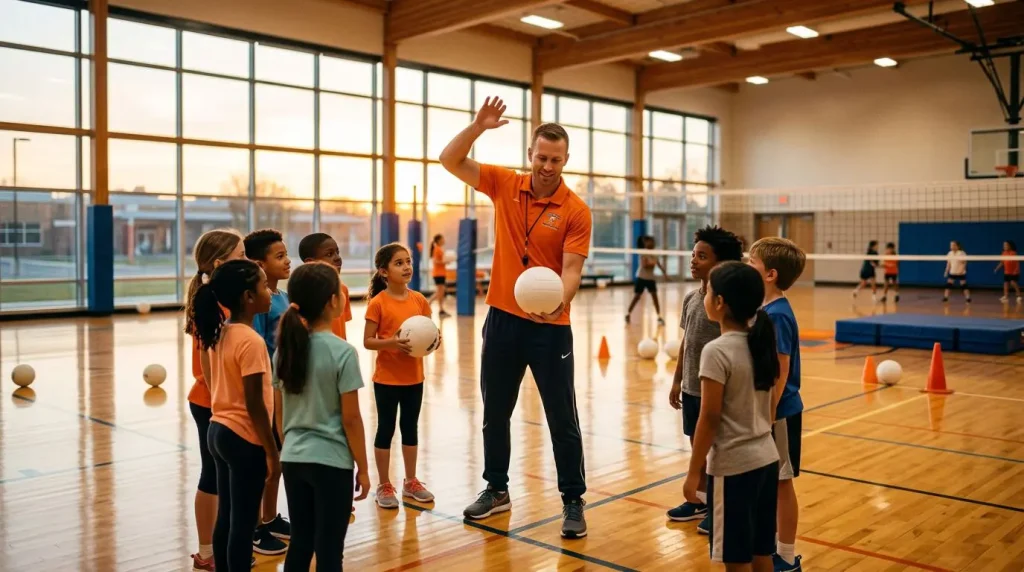
If you are wondering how to become a PE teacher, the short answer is fairly simple. You need a high school diploma, a bachelor’s degree, teacher training, student teaching, state exams, and a teaching license.
The specific path changes by state, and that part matters. If you already work in movement-based care, coaching, or school support, some skills will carry over, but public schools still expect formal teaching steps. Strong communication, patience, and a real interest in helping kids build healthy habits are essential for any physical education teacher. Mastering these skills is just as important as navigating the necessary paperwork.
| Requirement | Description |
|---|---|
| Bachelor’s Degree | Must be earned from an accredited institution. |
| Teacher Prep Program | Completing a state-approved education program. |
| Student Teaching | Gaining hands-on experience in a classroom. |
| State Exams | Passing required content and pedagogy assessments. |
| State Licensure | Applying for your official teaching credentials. |
The school path starts with a high school diploma or GED, then moves to a four-year college degree. In most states, public schools require a candidate to earn a bachelor’s degree that aligns with both subject knowledge and teacher licensure to become a physical education teacher.
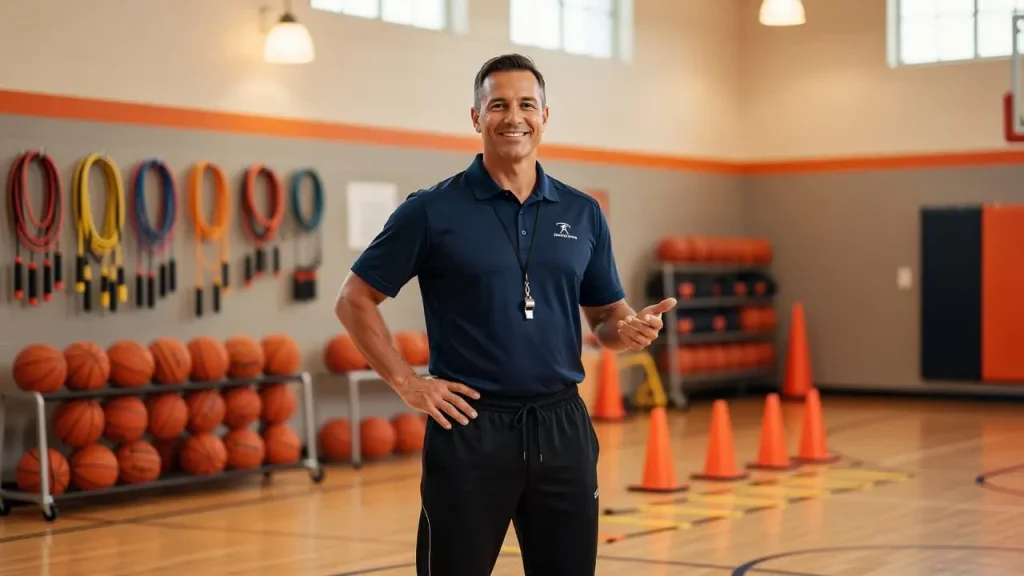
For most students, the timeline to become a PE teacher ranges from 4 to 5 years. This duration accounts for the completion of your bachelor’s degree and the additional time required for student teaching and state-specific licensure requirements.
The most direct majors are physical education, kinesiology, exercise science, and health education. These programs line up well with the daily responsibilities of a professional in this field because they successfully mix movement science with teaching practice.
A related major can still work. For example, some students major in sports science or a general education field, then add a state-approved teacher prep program. Before picking a major, it helps to review a national overview of PE teacher requirements so you can see how degree choice and licensure fit together.
Most programs include anatomy and physiology, exercise physiology, motor development, health, nutrition, and teaching methods. These courses provide essential training for educators working with students ranging from elementary school to high school. Anatomy helps you teach safe movement, while child development helps you match activities to age and skill level. Teaching methods are vital to ensure you can run a gym effectively.
You will also see coursework on adapted physical education, student assessment, and injury prevention. This comprehensive training matters because a physical education teacher does not just lead games. They plan lessons, track student progress, support different ability levels, and keep a class moving safely.
A degree alone usually isn’t enough. Most states also require an approved teacher preparation program, and many colleges build that into the bachelor’s degree.
An educator preparation program teaches the work behind the whistle. You learn lesson planning, class management, student safety, behavior support, and how to teach different age groups. In other words, this is where subject knowledge turns into real teaching.
That training is also where future PE teachers learn how schools run. Schedules, IEP awareness, communication with families, and teamwork with other staff all show up here. For people coming from rehab, fitness, or coaching, that school structure can feel new at first.
Student teaching is the part that makes the job real. You work in an actual school under a mentor teacher, usually for a full term or semester. During that time, you observe, teach parts of lessons, then take on more of the class as your confidence grows.
This is often the best test of fit. You learn how to develop effective lesson plans, master classroom management in a noisy gym, adjust activities for mixed skill levels, and keep students engaged even when energy is all over the place. Many early-career professionals do well in school settings because the calendar is structured and support from teachers and families is built into the day.
After your degree and preparation program, most states require certification exams before you can apply for licensure. Some use Praxis tests, while others use state-specific exams. You may need a basic skills test, a PE subject test, or both.
Check your state’s education department early, because program, exam, and endorsement rules can differ.
You will also need to submit transcripts, pay application fees, pass a background check, provide fingerprinting, and submit proof that you completed student teaching. Once you meet these requirements, you can obtain your teaching credential. Every state has unique rules for licensure, and looking at specific examples, such as these California PE teacher requirements, can provide a clearer look at the path to becoming a qualified PE teacher.
Meeting the minimum requirements gets you in the door. However, schools prioritize candidates who can lead a room, connect with students, and maintain order while keeping physical fitness a central, fun part of the curriculum.
Because a physical education teacher works in active, high-energy spaces, safety is a daily priority. CPR and first aid training are often required, and schools expect you to keep these certifications current to support overall health and wellness.
This emphasis on safety is essential. A PE teacher might need to address a twisted ankle, a collision during a game, or a student who feels faint during strenuous activity. Maintaining good safety habits builds lasting trust with families and school administrators.
Hands-on work with children provides a significant advantage. Coaching youth sports, substitute teaching, tutoring, camp work, after-school programs, and volunteer roles all help you build a strong classroom presence. These experiences show that you can lead large groups, communicate instructions clearly, and stay calm when plans change unexpectedly. Furthermore, this type of work helps you develop a practical understanding of motor skills development in children.
For career changers, related professional experience counts too. Physical therapists, occupational therapists, athletic trainers, and teacher aides often already possess a deep understanding of movement, motivation, and student support. While that background does not replace the need for state licensure, it can make your transition into school-based teaching much smoother.
Getting licensed is the start, not the finish. Most states require license renewal, and that often means continuing education, training hours, or graduate credits. Whether you entered the field through a traditional route or an alternative certification program, professional development is the key to longevity in this career.
Many educators choose to pursue a master’s degree to deepen their understanding of modern pedagogy and instructional design. Others add endorsements in health education, coaching, or adapted physical education. These credentials expand your expertise, allowing you to work with a broader range of student needs and improve your approach to student assessment.
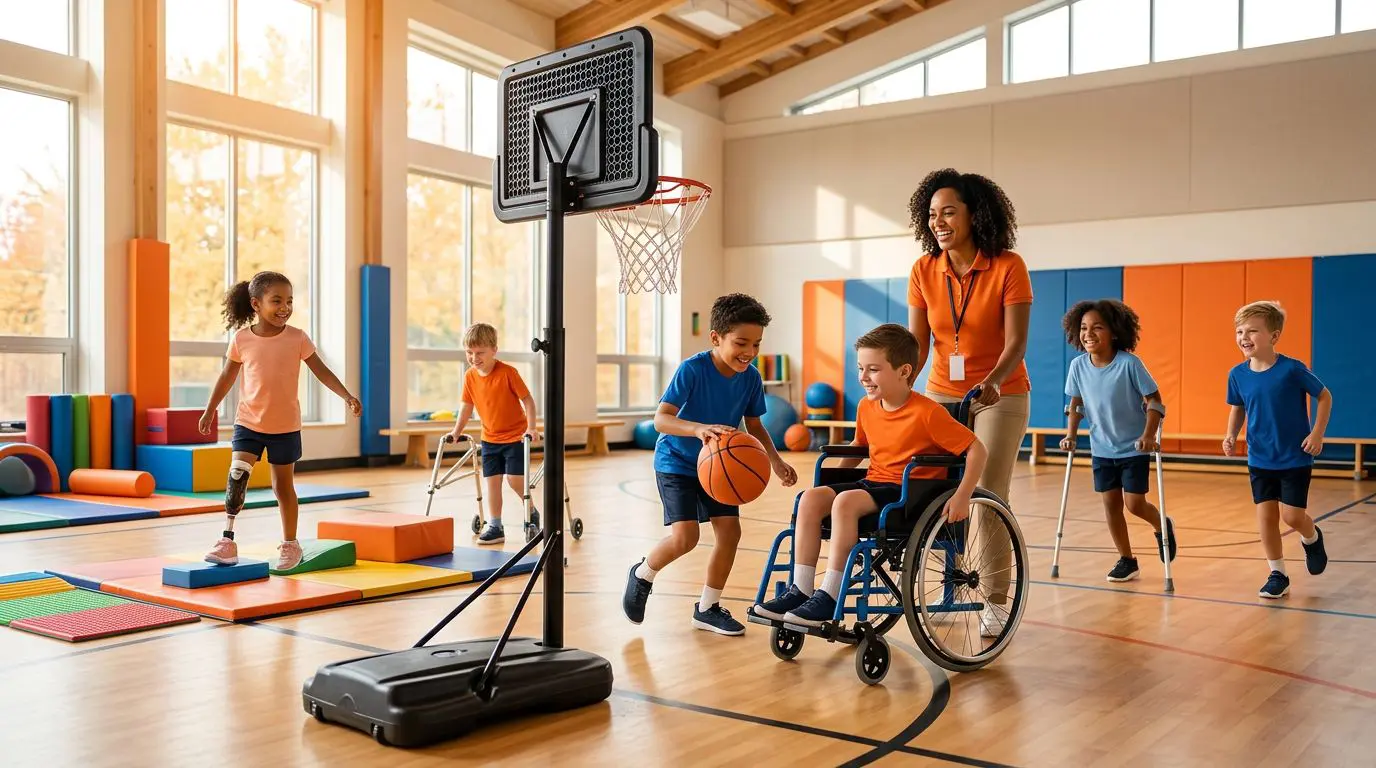
Adapted physical education is an especially strong fit for those who enjoy individualized support. It serves as an excellent path for professionals with therapy or special education experience, as the role requires patience, deep movement knowledge, and close collaboration with school staff.
When evaluating your long-term prospects as a PE teacher, it is helpful to understand the earning potential. While compensation varies based on location, experience, and district funding, the national average salary for physical education teachers typically falls in the range of $50,000 to $65,000 per year. Professionals in public school systems often receive comprehensive benefits and may see their earnings increase over time by obtaining advanced degrees, accumulating years of service, or taking on additional coaching responsibilities.
Can I become a PE teacher without a physical education degree?
Yes, you can often enter the field with a different bachelor’s degree, provided you complete a state-approved teacher preparation program. You may need to take additional coursework or pass specific subject-matter exams to demonstrate your fitness to teach physical education.
How long does it usually take to become a licensed PE teacher?
Most individuals complete the process in four to five years. This timeline covers your undergraduate studies, required classroom observation hours, student teaching, and the time needed to fulfill state-specific licensure applications.
Is student teaching mandatory for certification?
Yes, student teaching is a universal requirement in almost every state. It provides the essential hands-on experience needed to master classroom management and lesson planning under the guidance of a mentor educator.
What is the difference between a standard PE teacher and an adapted physical education teacher?
An adapted PE teacher specializes in creating customized activities for students with disabilities or specific health needs. This role usually requires additional training or a specialized credential to ensure students of all ability levels can participate safely and effectively.
The path to a career in athletics is clear, even if it requires a few specific steps. You start by completing your high school education, earning a bachelor’s degree, finishing a teacher preparation program, completing your student teaching, passing the necessary state exams, and finally applying for your professional licensure. Understanding exactly how to become a PE teacher helps you navigate these requirements with confidence and purpose.
After you secure your license, long-term career growth comes from hands-on experience and a commitment to ongoing professional development. If you enjoy movement, enjoy mentoring students, and want to help the next generation build healthy, active routines, working as a physical education teacher is a practical and deeply rewarding career path.
Physical Therapy, Therapy Professionals, Travel Therapy Insights
Physio vs Physical Therapist: Breaking Down the Key Professional Differences
24TH APRIL, 2026
Therapy Professionals
How to Land Adapted Physical Education Teacher Jobs
7TH AUGUST, 2026

Travel Therapy Insights, Trends & Staffing Insights
Healthcare Staffing Marketing That Builds Lasting Trust
31ST AUGUST, 2026

Travel Therapy Insights
What Is Travel Physical Therapy? A Complete Beginner’s Guide for 2026
9TH JANUARY, 2026