


Physical Therapy, Therapy Professionals, Travel Therapy Insights
Sports Medicine Physical Therapist Salary Trends Worth Knowing
9TH APRIL, 2026

2 September 2026 | Velina Velikova | 22 mins. reads
Most students need about two years to complete an associate degree through a program that is CAPTE accredited. Afterward, they complete the steps to become a physical therapist assistant, including the exam and licensing. Prerequisites, program schedules, exam dates, clinical requirements, and state processing times can stretch the timeline to roughly two to two and a half years.
Once licensed, you can work in clinics, hospitals, schools, skilled nursing facilities, or travel assignments as part of a healthcare career. This guide covers physical therapy assistant education and the broader physical therapy career path, including licensing, daily PTA work, salary expectations, travel opportunities, and ways to grow your career through Find Travel Jobs.
Start by looking at the education and clinical training required to enter this career. For a helpful overview of program admissions, watch this PTA program video.
At Pioneer Healthcare, we work with travel PTAs and are excited to share answers to common questions from people interested in this career. Our recruiters, some of whom have previous PTA experience, are also here to answer your specific questions about travel assignments, licensing, contracts, and getting started.
Most students complete the PTA education portion in about two calendar years. The full PTA program timeline includes prerequisite courses, classroom work, lab practice, clinical education, the NPTE-PTA, and licensing.
CAPTE standards commonly frame the program as at least four semesters or 64 academic weeks. Current CAPTE standards also require programs to complete the entire curriculum within no more than five semesters, 80 academic weeks, or 104 calendar weeks. Verify that each school is CAPTE accredited before applying.
Before applying to an associate degree program, you may need prerequisite courses such as human anatomy, physiology, biology, medical terminology, English composition, and basic math. Requirements vary by school. Some colleges require these classes before admission, while others include them within the program.
Foundational physiology supports later coursework in physical therapy and patient care. After admission, coursework combines classroom instruction with hands-on practice. You learn therapeutic exercises, patient transfers, mobility techniques, documentation, ethics, infection control, and safety procedures. Lab sessions prepare you for supervised patient care before clinical practice begins.
A PTA program may also require observation hours, CPR certification, background checks, letters of recommendation, or minimum grades in prerequisite courses. Check each program’s admission requirements early, because missing one course can delay your start by a full semester.
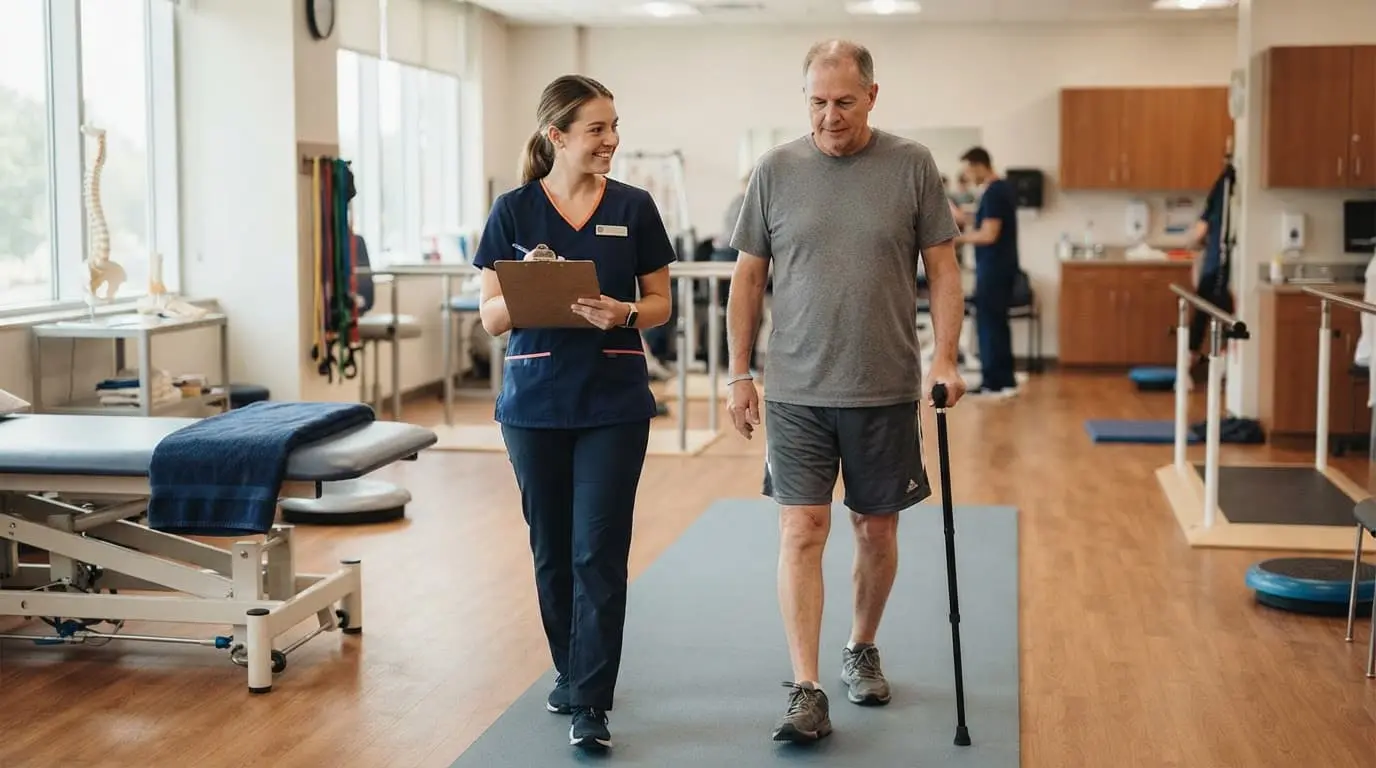
Clinical rotations are required for students. Under supervision from a clinical instructor, you practice skills in outpatient clinics, hospitals, skilled nursing facilities, and rehabilitation centers. These placements connect classroom concepts with real patient needs, communication, time management, and clinical documentation.
Clinical education is separate from classroom and lab training. Current CAPTE standards require at least 520 total clinical hours and at least 12 weeks of full-time clinical education. Programs may distribute those hours across multiple clinical rotations, and at least six weeks must occur consecutively in a terminal clinical experience under the current standards.
Because clinical schedules differ, graduation may take longer than the classroom calendar suggests. Plan for the full sequence, then add time for the NPTE-PTA, licensing application, background checks, and state processing.
Graduation doesn’t always mean you can start working immediately as a physical therapist assistant. After completing your training, you must receive eligibility approval, pass the national exam, and meet state licensure requirements. Depending on your state and application timing, these steps can add several weeks to the answer to “how long does it take to become a physical therapist assistant?”
The process may take longer if you have unfinished coursework, missing application materials, or limited program seats. Delayed transcripts can prevent a school or licensing board from confirming your education. Incomplete applications, background-check issues, and missing forms can also hold up approval.
After completing your PTA program, create a profile with the Federation of State Boards of Physical Therapy (FSBPT). Register and pay for the National Physical Therapy Examination (NPTE-PTA), then satisfy your jurisdiction’s license requirements. Once the jurisdiction approves you, FSBPT issues an Authorization to Test (ATT). You can then schedule the exam with Prometric. Testing seats may fill quickly, so waiting to schedule can push your start date back.
A failed exam attempt creates another delay because you must follow applicable retake rules and wait for another testing opportunity. State-board processing can also take longer than expected. Staff may need to verify transcripts, background checks, exam results, or other documents.

PTAs must hold a license or certification in all 50 states, Washington, D.C., Puerto Rico, and the U.S. Virgin Islands. Renewal and continuing education rules vary by jurisdiction, so check your state requirements before graduation.
Keep one folder for transcripts, identification, certifications, exam records, and background-check documents. Apply early, track every deadline, and ask your school and licensing board for current processing timelines. Once licensed, you can begin exploring opportunities such as Find Travel Jobs, while confirming any additional facility credentialing requirements.
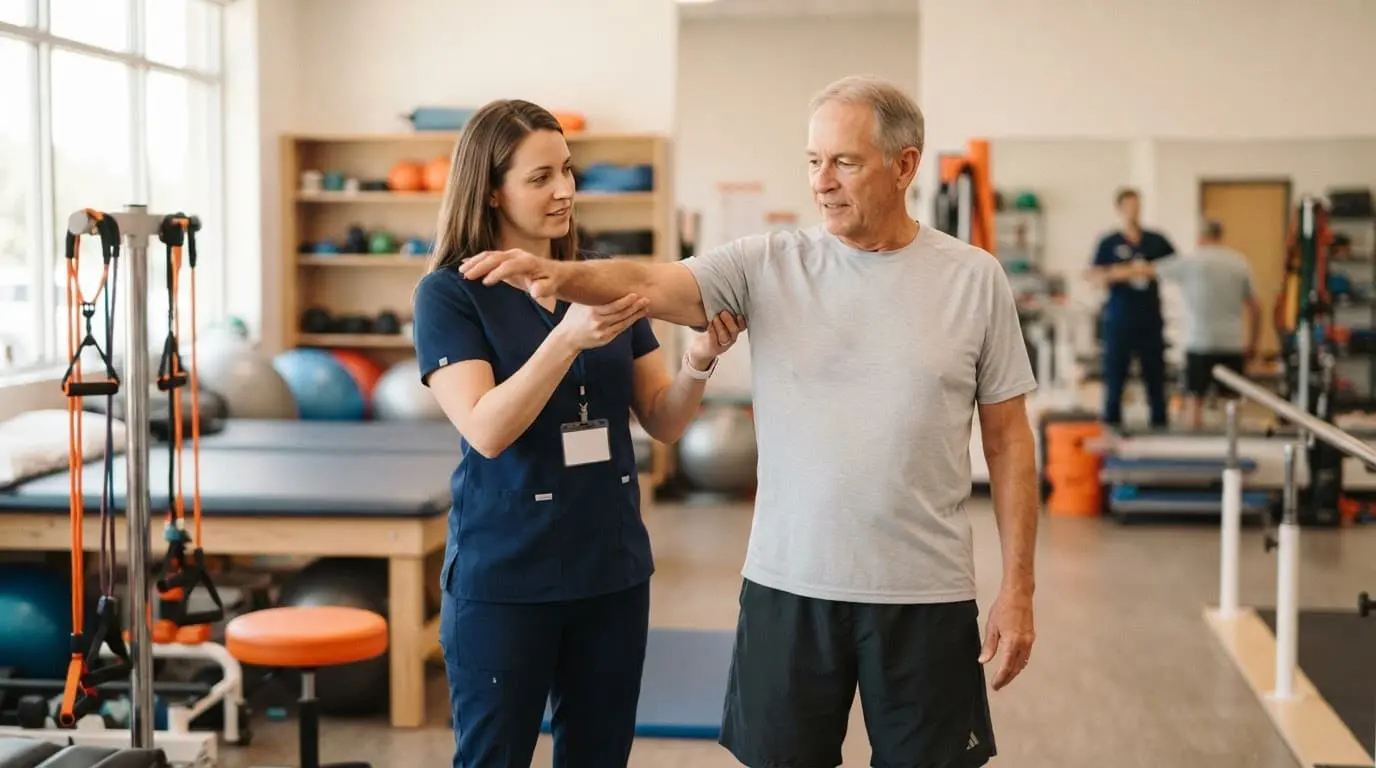
After training, a physical therapist assistant provides hands-on physical therapy care under a physical therapist’s direction. Their daily work combines technical treatment skills with communication, observation, and emotional support.
PTAs carry out selected portions of the physical therapist’s treatment plan. They guide therapeutic exercises, use approved techniques, monitor patient responses, document care, and report changes to the supervising PT. PTAs don’t independently diagnose patients or establish the overall treatment plan. Supervision requirements vary by state, so new graduates should review local practice rules before accepting a position.
Technical training is only part of becoming an effective PTA. Patients may be recovering from surgery, injury, illness, or a major change in mobility. Clear explanations and patience can help someone feel safer when movement feels difficult or unfamiliar.
New PTAs benefit from:
Confidence grows through repetition, mentorship, and thoughtful feedback. A new PTA doesn’t need every answer on the first day, but they must recognize when to pause, ask for guidance, and protect the patient’s safety.
The Bureau of Labor Statistics reported a $65,510 median annual wage for a physical therapist assistant in May 2024. Pay varies by setting, location, experience, hours, and benefits. Employment for PTAs and aides is projected to grow 16% from 2024 to 2034, with about 26,400 openings each year. This job growth reflects continued demand across healthcare settings.
Travel PTA work helps licensed clinicians build experience in new locations through short-term contracts. Many assignments prefer about one year of experience and an active license for the state where the facility is located. Current Pioneer listings commonly include 13-week assignments, 40-hour schedules, day shifts, and physical therapy settings such as skilled nursing facilities, assisted living communities, and rehabilitation centers.
A high weekly number can look attractive, but the complete offer matters more. Review each part of the package before accepting:
Pioneer provides recruiter and compliance support before and during your assignment. Your recruiter can explain the offer, coordinate required documents, and help you prepare for the start date. Review tax-home eligibility and stipend questions with a qualified tax professional before relying on tax-free benefits.

When you’re ready to compare available assignments, Find Travel Jobs that match your license, preferred setting, and timeline.
Becoming a physical therapist assistant is the beginning of your healthcare career, not the final step. With experience, continuing education, mentorship, and thoughtful job choices, you can expand your skills and take on greater responsibility over time.
Start by researching a CAPTE accredited PTA program and comparing associate degree program options. Review each school’s prerequisite courses, admission requirements, application deadlines, and clinical expectations.
Next, complete the associate degree and required clinical rotations. Then register for the National Physical Therapy Examination through the Federation of State Boards of Physical Therapy.
After passing the exam, apply for state licensure and prepare a resume highlighting patient care experience, clinical placements, certifications, and hands-on skills. Prepare letters of recommendation only when an employer or school requests them. Then begin applying for staff positions or travel PTA roles.
If you’re considering travel work, compare opportunities through Find Travel Jobs and discuss state-specific license requirements with a recruiter before choosing a start date.
Your first workplace can shape your confidence. Look for employers that offer structured onboarding, accessible supervising PTs, and regular feedback. A supportive clinic, hospital, school, or skilled nursing facility can help you build a strong foundation before you take on unfamiliar settings.

Over time, gain experience across different settings, pursue continuing education, and develop specialty skills in orthopedics, geriatrics, neurology, or rehabilitation. Mentorship can guide those choices, while lead PTA or supervisory roles may become available as your judgment and communication skills grow.
Some PTAs later return to school to pursue physical therapy or another healthcare degree. A physical therapist pathway may include applying to a DPT program. However, colleges decide transfer credits and admission requirements independently. Ask each institution for a transcript evaluation, because PTA coursework doesn’t automatically transfer into a DPT or another healthcare program.
Most students complete a CAPTE-accredited PTA associate degree program in about two years. Prerequisites, clinical education, the NPTE-PTA, and state licensing can extend the full timeline to roughly two to two and a half years.
Yes. PTAs must pass the NPTE-PTA and meet licensing or certification requirements in the jurisdiction where they work. Requirements, renewal rules, and processing times vary by state or territory.
A PTA provides hands-on care under the direction of a physical therapist. They may guide therapeutic exercises, monitor patient responses, document care, and report changes to the supervising PT, but they do not independently diagnose patients or create the overall treatment plan.
PTAs work in outpatient clinics, hospitals, rehabilitation centers, skilled nursing facilities, schools, and other healthcare settings. Licensed PTAs may also pursue short-term travel assignments in locations where they meet the applicable license requirements.
The Bureau of Labor Statistics reported a median annual wage of $65,510 for physical therapist assistants in May 2024. Actual pay varies by location, setting, experience, schedule, benefits, and whether the position is a travel assignment.
A physical therapist assistant typically spends about two years completing a PTA program. After the exam, complete state licensure before beginning your physical therapy career. Your timeline may vary with prerequisites, testing dates, and jurisdiction-specific approval.
Compare schools early, contact your state board about its requirements, and organize your documents before graduation. Once you’re licensed, explore PTA opportunities with a trusted staffing partner that supports your goals, preferred setting, and timeline.

Physical Therapy, Therapy Professionals, Travel Therapy Insights
Sports Medicine Physical Therapist Salary Trends Worth Knowing
9TH APRIL, 2026

Therapy Professionals, Travel Therapy Insights
How to Land Adapted Physical Education Teacher Jobs
16TH JULY, 2026

Physical Therapy, Therapy Professionals, Travel Therapy Insights
Massage Therapist vs Physical Therapist Salary: What to Expect?
15TH JUNE, 2026

Culture & Community, Travel Therapy Insights
How Successful Travel Therapy Placements Work
5TH AUGUST, 2026