


Therapy Professionals, Travel Therapy Insights
Physical Education Teacher Jobs That Build Lasting Impact
5TH OCTOBER, 2026

5 October 2026 | Velina Velikova | 18 mins. reads
A physical education teacher does far more than supervise games. You build safe routines, teach motor skills, support healthy habits, and help students develop an active lifestyle.
Learning how to become a pe teacher takes planning, but the path is clear: earn the right degree, complete a teacher preparation program and student teaching, meet state licensure rules, pass required exams, and complete background screening. Adapted PE and contract school roles can add training requirements, so start with the state where you want to work.
Most future physical education teachers earn a four-year bachelor degree in physical education, exercise science, or a related field. A kinesiology degree is another common option. However, a degree alone may not qualify you for a public-school job. You also need a state-approved teacher preparation program that leads to the appropriate teaching license.
Look for coursework in exercise science, motor learning, instructional methods, curriculum planning, assessment, classroom management, health, and adapted physical education. Physical education programs commonly include supervised observations and field experiences before supervised classroom practice.
Before enrolling, confirm that the program meets your state’s approval standards or holds recognized accreditation, such as CAEP accreditation. That check can prevent costly coursework gaps when you apply for licensure.
Student teaching turns theory into daily practice. Under an experienced teacher’s supervision, you’ll create lesson plans, set up equipment, manage transitions, monitor safety, and adjust activities when a class needs a different approach.
Try to gain experience across elementary, middle, and high school settings when possible. Each age group brings different needs, from basic movement patterns and playground safety to assessing physical fitness, weight-room routines, team sports, and lifetime recreation skills.
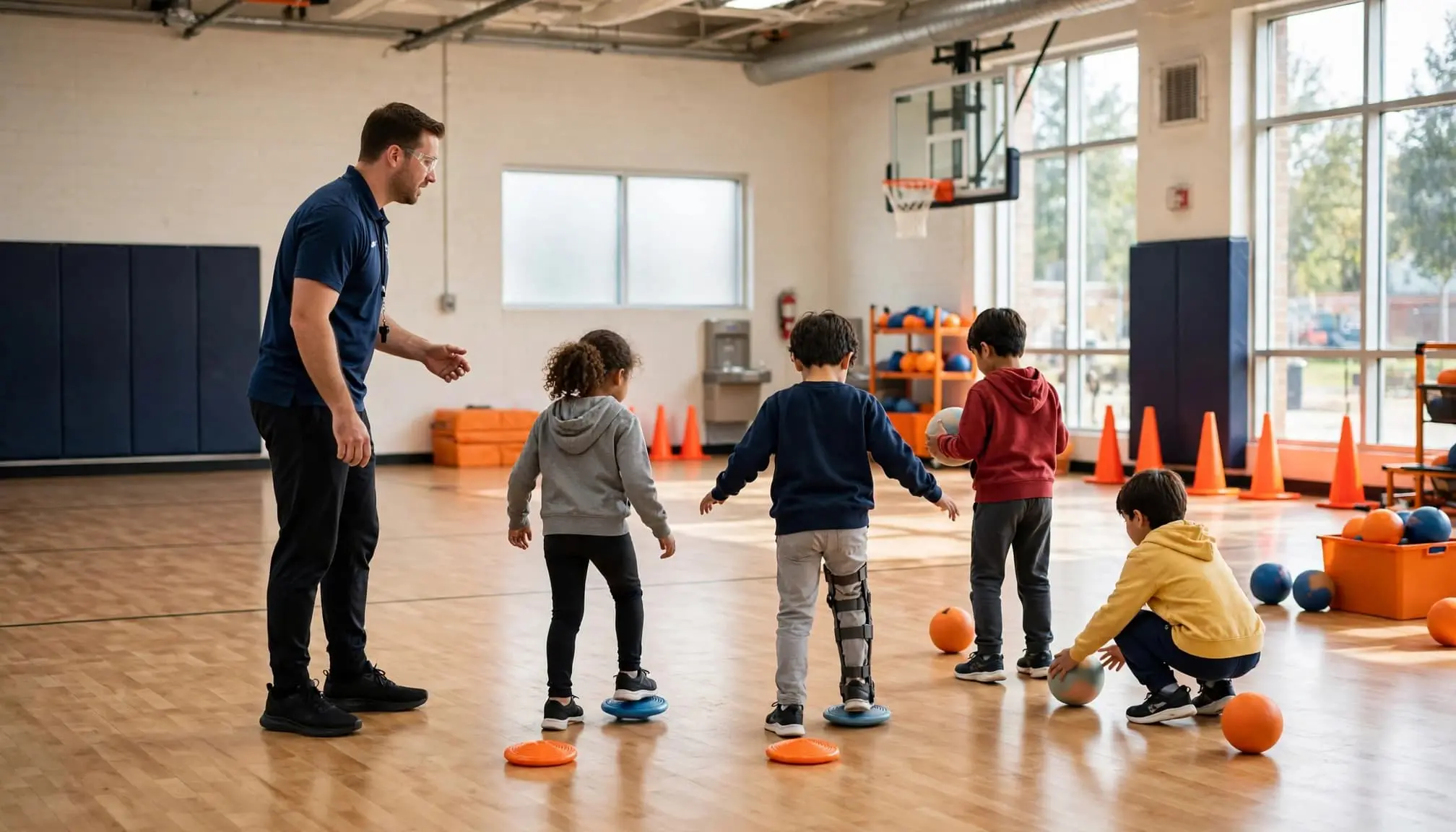
Fieldwork also strengthens communication skills and provides practical teaching experience. PE teachers regularly coordinate with families, school nurses, counselors, special educators, and related service providers. Practicing clear communication early makes your first job less overwhelming.
There is no national teaching license for physical education. After completing your program, begin the state teaching certification process through the education department where you plan to work.
Applications often require official transcripts, scores from certification exams, fees, fingerprinting, and a criminal background check. Depending on the state, you may also need a PE content exam, a general pedagogy exam, CPR and first aid certification, AED training, or mandated reporter training.
Keep a digital folder with your license, test scores, fieldwork records, references, certifications, and employment history. Schools and staffing partners often need these documents quickly during hiring and credentialing.
State requirements shape nearly every part of the process, including required credits, certification exams, and deadlines for advanced education. For example, some states set subject-specific coursework requirements in areas such as anatomy and physiology, motor development, or exercise physiology. Others may require a master’s degree within a certain period after initial licensure.
Verify current rules directly with your state education department before applying, including screening steps such as fingerprinting. If you already hold a license and want flexible school opportunities, you can Find Travel Jobs that fit your credentials, preferred location, and schedule.
A license opens the door, but a strong PE candidate also shows that they can run an active class safely and include students with different abilities.
Hiring teams look for practical judgment as much as academic preparation. You need to use equipment safely, prevent injuries, organize active groups, assess student progress, and keep lessons moving without losing structure.
Inclusive lesson design also matters. Experience supporting students with autism, developmental delays, orthopedic needs, or multiple disabilities can strengthen your application. It shows that you can adjust directions, space, equipment, pacing, and assessment without isolating a student from peers.
A bachelor’s degree commonly takes about four years. Many traditional programs include teacher preparation and student teaching during that time, while other routes add those requirements after graduation.
Then allow additional time for exams, background checks, and the license application. Those steps may take weeks or months, depending on the state and the completeness of your paperwork. Alternative certification programs follow different schedules and may still include supervised preparation. A master’s degree or advanced specialization can add one to two years.
A strong resume names the teaching experience you gained and the students you served. Tailor those details to the school district, then list grade levels, school placements, student-teaching responsibilities, relevant certifications, adapted activities, assessment tools, and adaptive equipment.
Also include coaching, wellness programming, or extracurricular activities. Mention collaboration with occupational therapists, physical therapists, speech-language pathologists, nurses, aides, and families. This collaboration demonstrates communication skills employers evaluate. Whenever possible, describe results, such as improved participation rates or a new fitness assessment process, rather than listing duties alone.
General PE serves the broader student population through grade-level physical education standards. Adapted physical education, often called APE, modifies instruction, equipment, activities, and assessment so students with disabilities can participate in meaningful movement experiences connected to IEP goals.
APE teachers work closely with special educators, therapists, classroom aides, general PE teachers, and families. Some roles are itinerant, meaning educators serve several campuses during the week. Contract assignments can also help educators gain experience with different districts, school cultures, and service models.
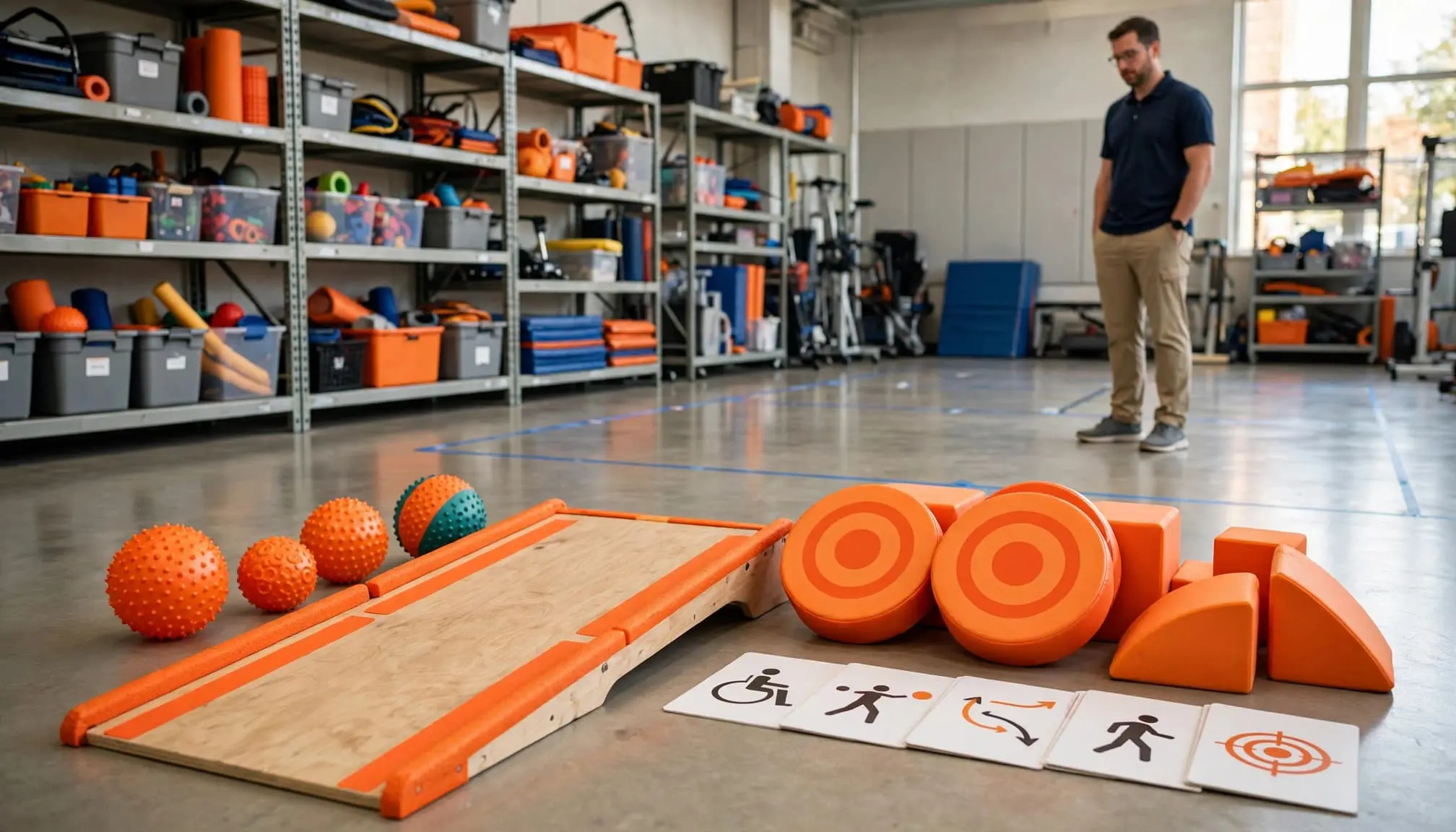
APE requirements vary widely by state. Some states require an endorsement or approved specialization program, while others recognize defined coursework, supervised practice, or previous teaching experience.
The NCPEID Certified Adapted Physical Educator, or CAPE, pathway is a respected national benchmark. NCPEID lists a valid PE-related teaching license, 12 semester credits focused on disability-related educational needs, including at least nine adapted PE credits, 200 instructional hours, the APENS exam, and a graduate degree among its requirements.
Check requirements directly with NCPEID and your state department of education. CAPE and APENS credentials strengthen professional preparation, but they don’t replace state teaching authorization.
Permanent school district positions may offer a familiar campus, a regular school-year calendar, and long-term relationships with students and colleagues. Contract roles can offer a defined assignment length and exposure to new programs or communities.
Itinerant positions often involve travel between campuses and may have more complex schedules. Ask about class size or caseload, travel time, mentorship, benefits, pay structure, licensure support, and reimbursement before accepting an offer.
Review the full compensation package rather than comparing only an hourly rate or annual salary. Compare salary expectations alongside housing, travel, professional development, insurance, and credentialing support. These factors can change the overall value of an assignment.
Your first role can lead in several directions. Some PE teachers mentor new colleagues, lead campus programs, coordinate health and wellness initiatives, coach, or move into athletic administration.
Others specialize in adapted PE, district leadership, or school-based contract work. The right placement should give you room to build skills, collaborate with a supportive team, and maintain a sustainable work-life balance.
A master’s degree isn’t always required to begin teaching PE. However, some states require one within a set timeframe, and many districts place teachers with advanced degrees on higher salary steps.
A master’s degree in adapted PE, education, or curriculum and instruction can support career advancement. Check your state’s rules and your district’s salary schedule before choosing a program.
Some states allow related degrees, required subject-area credits, or alternative certification programs. Kinesiology, exercise science, and health-related degrees may meet part of the academic requirement.
Some programs may consider relevant teaching experience. However, they still usually require state-approved preparation, certification exams, and supervised practice.
You must confirm the exact coursework and license type your state requires. An alternative route may still involve extensive classroom preparation before full licensure.
A general PE teacher plans instruction for the larger student population. An adapted PE teacher focuses on modifications that help students with disabilities access physical education safely and meaningfully.
Both professionals may work together, especially when students have IEP services. APE roles often require additional coursework, state authorization, or specialized field experience.
Start by preparing your current license, references, resume, and school-based experience records. You can search district openings or work with a staffing recruiter who understands education credentialing and contract timelines.
Begin several weeks before your preferred start date. School-year placements often fill early, so ask about assignment length, schedule, pay, benefits, travel support, licensure reimbursement, and mentorship before you commit.
You need authorization in every state where you teach. Reciprocity and interstate agreements may make the process easier in some cases, but they don’t remove the need to meet each state’s requirements.
Start non-compact license applications early, especially if you want to accept a school-year assignment. Keep copies of transcripts, test scores, and prior licenses ready for each application.
The path into PE teaching begins with an approved education route, supervised school experience, and careful attention to state licensure requirements. Strong teachers also develop the practical skills that help every student participate safely and confidently.
Adapted PE and contract school roles can expand both your reach and your experience. When you’re ready to explore a school, contract, or travel opportunity, connect with a knowledgeable recruiter who understands the credentialing details and the people behind them.

Therapy Professionals, Travel Therapy Insights
Physical Education Teacher Jobs That Build Lasting Impact
5TH OCTOBER, 2026

Physical Therapy, Therapy Professionals, Travel Therapy Insights
Physical Therapist Assistant Documentation Tips That Work
16TH JULY, 2026

Therapy Professionals
Why Psychology is Important in Healthcare Careers
6TH FEBRUARY, 2026

Speech-Language Therapy, Therapy Professionals, Travel Therapy Insights
Skills That Help Speech-Language Pathologists Thrive
18TH AUGUST, 2026